For many people, the hardest part of getting help is not admitting that something needs to change. It is figuring out how treatment could possibly fit into real life.
There may be work to keep up with, kids to care for, rent to pay, classes to attend, family relationships to repair, or court requirements to handle. For others, the fear is more personal: “What happens if I ask for help and everyone finds out?” or “What if I am not bad enough for treatment?” or “What if I have tried before and it did not stick?”
At Bridge of Hope Outpatient Treatment Center, the goal is to meet people in that exact place — not with judgment, pressure, or a one-size-fits-all plan, but with real support that fits the life a person is trying to rebuild.
Located in Portland, Oregon, Bridge of Hope provides outpatient treatment for substance use, mental health concerns, and co-occurring disorders. That matters because addiction rarely happens in isolation. Many people who struggle with alcohol, opioids, stimulants, prescription medications, or other substances are also dealing with anxiety, depression, trauma, grief, ADHD, insomnia, PTSD, or the simple exhaustion of trying to hold everything together for too long.
Recovery is not just about stopping a substance. It is about learning how to live differently, respond differently, and build enough structure around yourself that change becomes possible.
Why Outpatient Treatment Works for Real Life
Not everyone needs inpatient or residential treatment. Some people might need a higher level of support than just weekly counseling, but they might not need 24-hour care. Others are stepping down from residential treatment and need continued structure. Some are still working, parenting, going to school, or managing other responsibilities and cannot disappear from their daily life for a month.
That is where outpatient treatment can make a meaningful difference.
Bridge of Hope offers several levels of care, including Outpatient Treatment, Intensive Outpatient Program treatment, and High Intensity Outpatient treatment. These programs are designed to provide structure, accountability, therapy, relapse prevention tools, and support while allowing clients to continue living at home or in a supportive sober living environment.
For many people, that balance is what makes treatment feel possible. You can still show up for your life while getting the help you need to actually change it.

Support for Substance Use and Mental Health Together
One of the most important parts of effective treatment is looking at the whole person. Substance use is often connected to deeper patterns: stress, trauma, isolation, untreated mental health symptoms, grief, unstable housing, relationship conflict, or a lack of healthy coping tools.
Bridge of Hope provides care for both substance use and mental health needs. Their treatment options include support for alcohol addiction, opioid addiction, stimulant use disorder, benzodiazepine addiction, marijuana use disorder, cocaine use disorder, ketamine use disorder, and prescription medication addiction. Clients can also access mental health treatment for concerns such as depression, anxiety, ADHD, PTSD, OCD, bipolar disorder, and insomnia.
This integrated approach is especially important for people who have tried to get sober before but found themselves returning to old patterns when stress, panic, depression, or trauma symptoms became overwhelming.
A person cannot simply be told to “make better choices” if they have never been given better tools. Treatment should help clients understand their triggers, build coping strategies, learn emotional regulation, strengthen communication, and create a realistic plan for the moments when recovery gets difficult.
Flexible Options for Working Adults and Busy Schedules
One of the most practical barriers to treatment is scheduling. Many people delay care because they believe they would have to quit their job, take leave, or put school and family responsibilities on hold.
Bridge of Hope’s Night Program was created for people who need structured support in the evening. This option is especially valuable for working professionals, students, parents, and anyone with daytime responsibilities. Instead of forcing people to choose between treatment and stability, the evening program gives them a way to receive care while still maintaining their routine.
That kind of accessibility matters. Recovery is not separate from real life. It has to work inside real life.

What Treatment Can Include
Every person’s recovery story is different, so treatment should not look the same for everyone. At Bridge of Hope, care may include individual counseling, group therapy, relapse prevention planning, trauma-informed support, medication management, peer support, family education, life skills development, community-based recovery activities, and help connecting with additional resources.
For some clients, psychiatric medication management may be part of the plan. For others, case management and peer support can help with the practical side of recovery: navigating appointments, staying accountable, connecting with services, and building a stronger support system.
Bridge of Hope also offers DUII treatment for individuals who need support related to legal requirements, alcohol or substance use patterns, and long-term behavior change.
For clients who need more structure outside of treatment hours, sober housing may provide an added layer of accountability and stability.
A Place Where Families Can Start Healing Too
Addiction affects more than the person using substances. Families often carry fear, anger, confusion, guilt, and exhaustion. They may not know when to help, when to step back, or how to support recovery without enabling harmful behavior.
That is why family support and education matter. Loved ones need tools too. They need to understand the recovery process, learn healthy boundaries, and recognize that healing is not instant. It is a process that takes honesty, structure, patience, and support on all sides.
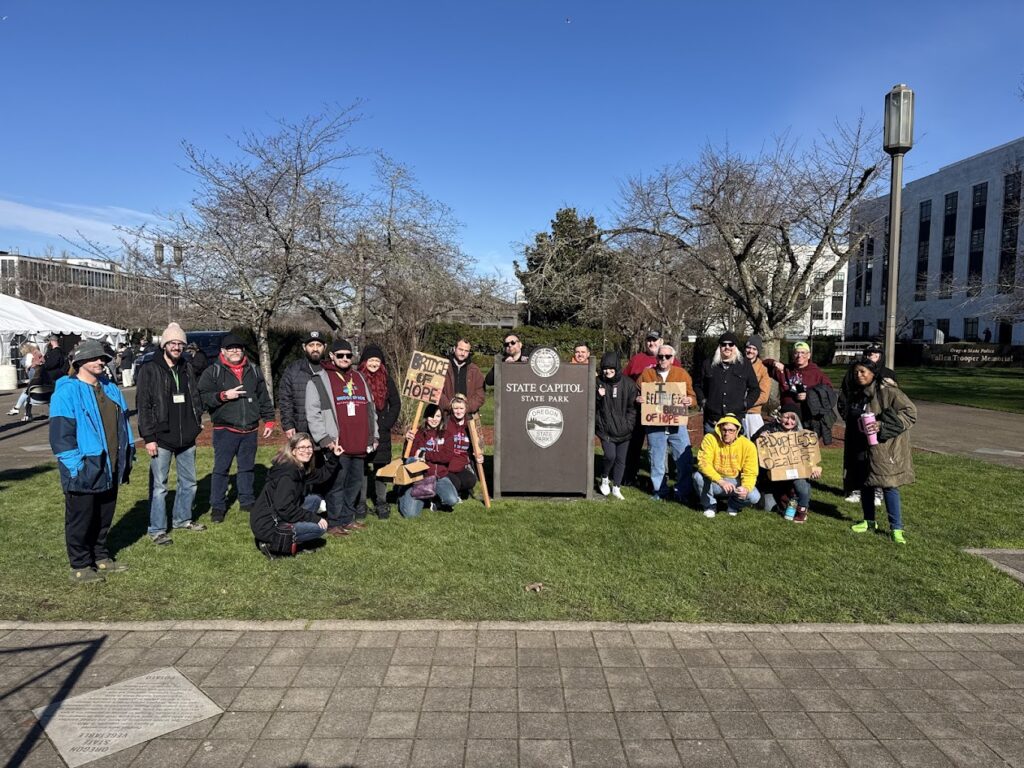
Bridge of Hope’s approach is built around connection. Recovery is easier to sustain when people are not trying to do it alone.
Taking the First Step
Reaching out for treatment can feel intimidating, but the admissions process at Bridge of Hope is designed to be straightforward. You can start by contacting the team through the Admissions page or calling to schedule a confidential pre-screen evaluation. From there, the team can help determine which level of care is the right fit.
You do not have to know the exact program you need before you call. You do not have to have the perfect words. You do not have to wait until things get worse.
You only have to start the conversation.
For people in Portland who are struggling with substance use, mental health challenges, or both, Bridge of Hope offers a practical path forward: compassionate outpatient care, flexible treatment options, experienced support, and a place to begin again without putting life completely on pause.
Recovery is not about becoming a different person overnight. It is about getting enough support to return to yourself, one honest step at a time.
Frequently Asked Questions
What does Bridge of Hope treat?
Bridge of Hope provides outpatient care for substance use disorders, mental health conditions, and co-occurring disorders. This may include alcohol addiction, opioid addiction, stimulant use disorder, prescription medication misuse, depression, anxiety, PTSD, ADHD, insomnia, and other behavioral health concerns.
Is outpatient treatment right for me?
Outpatient treatment may be a good fit if you need structured support but do not require 24-hour residential care or medical detox. It can also be helpful if you are transitioning from a higher level of care and need continued accountability.
What is the difference between OP, IOP, and HIOP?
Outpatient treatment is typically more flexible and may involve weekly therapy or groups. IOP offers more structure with multiple sessions per week. HIOP provides a higher level of support while still allowing clients to return home or to sober living after treatment.
Can I keep working while attending treatment?
Yes. Bridge of Hope offers flexible outpatient options, including a Night Program for people who have work, school, or daytime responsibilities.
Does Bridge of Hope offer mental health treatment too?
Yes. Bridge of Hope provides mental health treatment for conditions such as depression, anxiety, ADHD, PTSD, OCD, bipolar disorder, and insomnia, along with support for co-occurring substance use concerns.
How do I get started?
You can begin by visiting the Admissions page or contacting Bridge of Hope directly to schedule a confidential pre-screen evaluation. The team can help you understand your options and choose the appropriate level of care.
Does Bridge of Hope offer sober living?
Yes. Bridge of Hope offers sober housing options for clients who may benefit from added structure, accountability, and recovery-focused support outside of treatment hours.
Is treatment private?
Treatment begins with a confidential conversation. If privacy is a concern, the admissions team can walk you through what to expect and answer questions before you begin care.