The conversation is growing louder about the use of psychedelic mushrooms in Oregon.
A recent study of the state’s legal psilocybin program, which launched three years ago, suggests potential benefits to users. Claims of prospective mental health benefits are common on social media, where many users, influencers included, are normalizing recreational consumption. As such, there’s a perception that mushrooms are natural and thus somehow “safer” to use than substances like heroin or alcohol.
Despite the buzz about mushrooms, using mushrooms or any psychedelic has potential to become habit-forming, especially with people predisposed to addiction.
When dealing with substance use disorder, there is a significant risk associated with using any drug or drink, not only one’s drug of choice, which is why abstinence is strongly recommended for lasting recovery.
Read more about mushrooms, whether mushrooms can be addictive, psilocybin tolerance, excess use, and more.
What are Psychedelic Mushrooms?
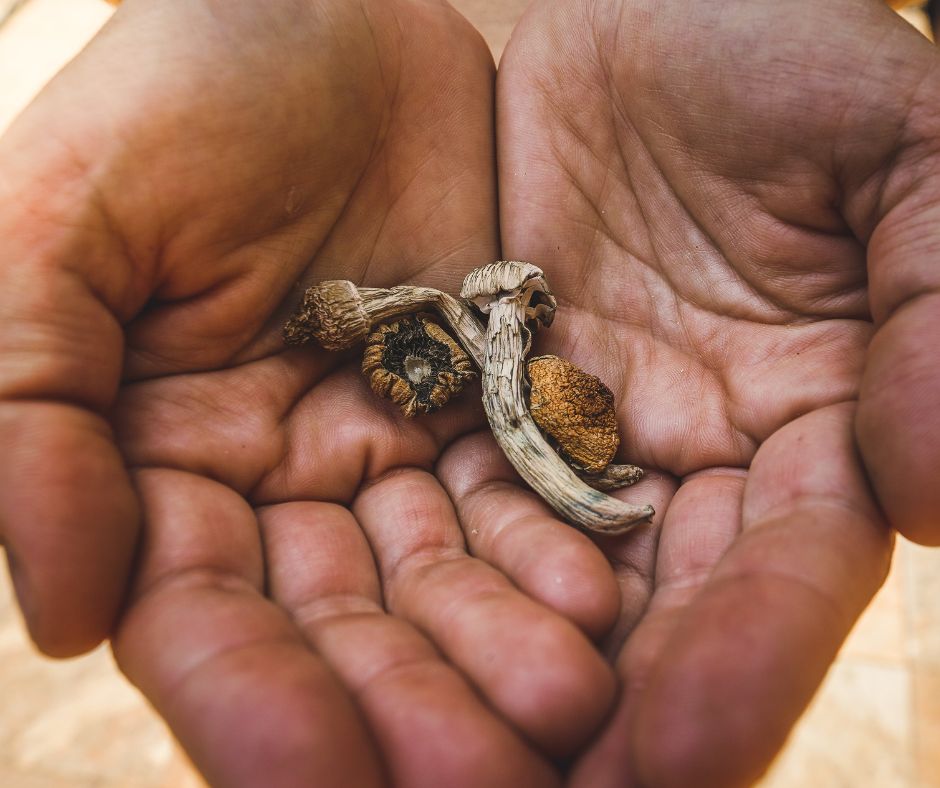
Psychedelic mushrooms are psilocybin mushrooms that produce mood-altering effects once ingested. Psilocybin is a natural psychedelic compound found in more than 200 mushrooms.
When a person ingests a psilocybin mushroom, the body naturally converts the psilocybin to psilocin. Psilocin is a compound that binds to serotonin receptors in the brain, causing temporary mood-altering effects. The effects can impact mood, thoughts, and perception of time and place, and can vary from person to person.
Some of the most common effects of using psilocybin mushrooms include:
- altered sense of time
- changes in thought patterns
- dissociation, or feeling detached from reality
- feelings of euphoria
- hallucinations
- intensified emotions
- visual distortions
Psychedelic mushrooms are commonly referred to as “psilocybin mushrooms,” “magic mushrooms,” and “shrooms.”
Are Magic Mushrooms Addictive?
Psilocybin mushrooms aren’t known to carry the same addictive potential as other drugs, like nicotine, opioids, alcohol, or benzodiazepines. Addiction potential is the likelihood for a drug to become addictive based on its interactions with the brain.
All drugs act on the brain’s reward system, but psilocybin mushrooms don’t necessarily impact this region as intensely as other substances, especially from a physical standpoint.
Can You Become Addicted to the Effects of Mushrooms?
In short, yes.
While there’s a low likelihood of becoming physically dependent on mushrooms, taking mushrooms can be habit-forming and thus carries potential for psychological dependence.
People can become addicted to the experience of using magic mushrooms. Frequent use can quickly progress from experimental to an escape, especially for people with a history of substance use disorder and mental health issues.
Some of the signs of psychological dependence on magic mushrooms include:
- continuing to use mushrooms despite negative consequences
- feeling unable to or concerned about stopping use
- frequently thinking about using
- lying about the extent of one’s use
- neglecting responsibilities and relationships due to use
- stealing money from friends or family to purchase mushrooms
- using mushrooms to cope with emotions and everyday problems
Using can evolve into an adverse strategy for dealing with emotions and circumstances. Intoxication of any sort impairs judgement, which may lead to unwanted consequences.
Can You Develop a Tolerance to Psilocybin Mushrooms?
A person who frequently uses psilocybin is fast to develop a tolerance. Having a tolerance means that more of the substance is needed to produce similar effects. Tolerance is not the same as physical dependence.
What Happens if You Take Mushrooms Too Often?
Taking mushrooms too often can result in adverse, unpleasant, and worrisome consequences. There is no way to predict how you may be affected by mushrooms, or any psychedelic, as it varies from person to person.
Taking psychedelics too often can affect your mental and emotional health. Some of the lasting effects may include:
- difficulty distinguishing experiences while under the influence from reality
- psychological distress, i.e., anxiety, confusion, emotional instability, panic
- persisting visual disturbances
- sleep problems
Magic mushrooms can be dangerous for people with underlying mental health conditions, diagnosed or undiagnosed, and people at a greater risk of developing psychosis. Psychosis is a state in which someone is unable to distinguish what is real from what isn’t. Using mushrooms and other psychedelics is known to produce ongoing psychotic symptoms in individuals who develop drug-induced psychosis.
Certain medications may interact with psilocybin mushrooms, producing uncomfortable or dangerous side effects. Medications and psilocybin interactions is an under-researched area, so little is known about what may happen when someone taking any medications may be affected.
Being under the influence, once or repeatedly, lowers inhibitions and increases risk-taking behaviors, making a person more susceptible to poor decision-making and injury.
Legal Use of Mushrooms in Oregon: The Latest Study
The use of mushrooms was legalized in Oregon in 2020, sort of.
In 2020, the state passed its Oregon Psilocybin Services Act, which made it legal for most people, age 21 and older, to use mushrooms in supervised, licensed service centers with a facilitator present. It is illegal to use mushrooms recreationally at home or to grow your own psilocybin mushrooms. More than 20,000 adults have participated in the program since the act passed. The program was created to reduce the potential risks around psilocybin use and collect information on potential benefits and side effects.
A study of 346 people who participated in the program suggests that only a small percentage, 2.3%, experienced adverse effects up to three months after consuming psilocybin. Some people are using this information to assume psilocybin use is completely safe. Unfortunately, the data only reveals a small part of the picture.
The study doesn’t provide information on whether users experienced adverse long-term effects beyond three months post use. It doesn’t delve into the personal histories of the participants, i.e. whether they had previous mental health issues or substance abuse issues. It doesn’t reveal whether using mushrooms segued into using other substances more or less often.
There simply isn’t enough information available to take risks.
Worried About Your Mushroom Use? Here’s What to Do
Admitting you have a problem is the first step to getting help.
You may feel shameful or worried about what others may think, but it’s okay: part of being human is learning how to deal with circumstances, as they arise, and moving forward even stronger.
For information on how to move forward, you may reach out to your primary care doctor, who can point you in the right direction with local providers. If you don’t have a primary doctor, you may contact the Substance Abuse and Mental Health Service’s Administration’s (SAMHSA) National Hotline, a free, 24-hour service, at 1-800-662-4357.
You may also contact Bridge of Hope directly to speak with one of our intake coordinators.
Final Thoughts: Magic Mushroom Use and Effects
While psilocybin mushrooms aren’t known to become physically addicting, the drug can become habit-forming and produce undesirable long-term side effects.
People who are vulnerable to addiction and/or mental health issues are urged to abstain from recreational drug use, including psychedelics. Even if use of the drug doesn’t cause physical dependence, consequences that arise from impaired thinking can have significant effects on wellbeing and quality of life. Experimenting with magic mushrooms, or any drug, isn’t worth your peace of mind.