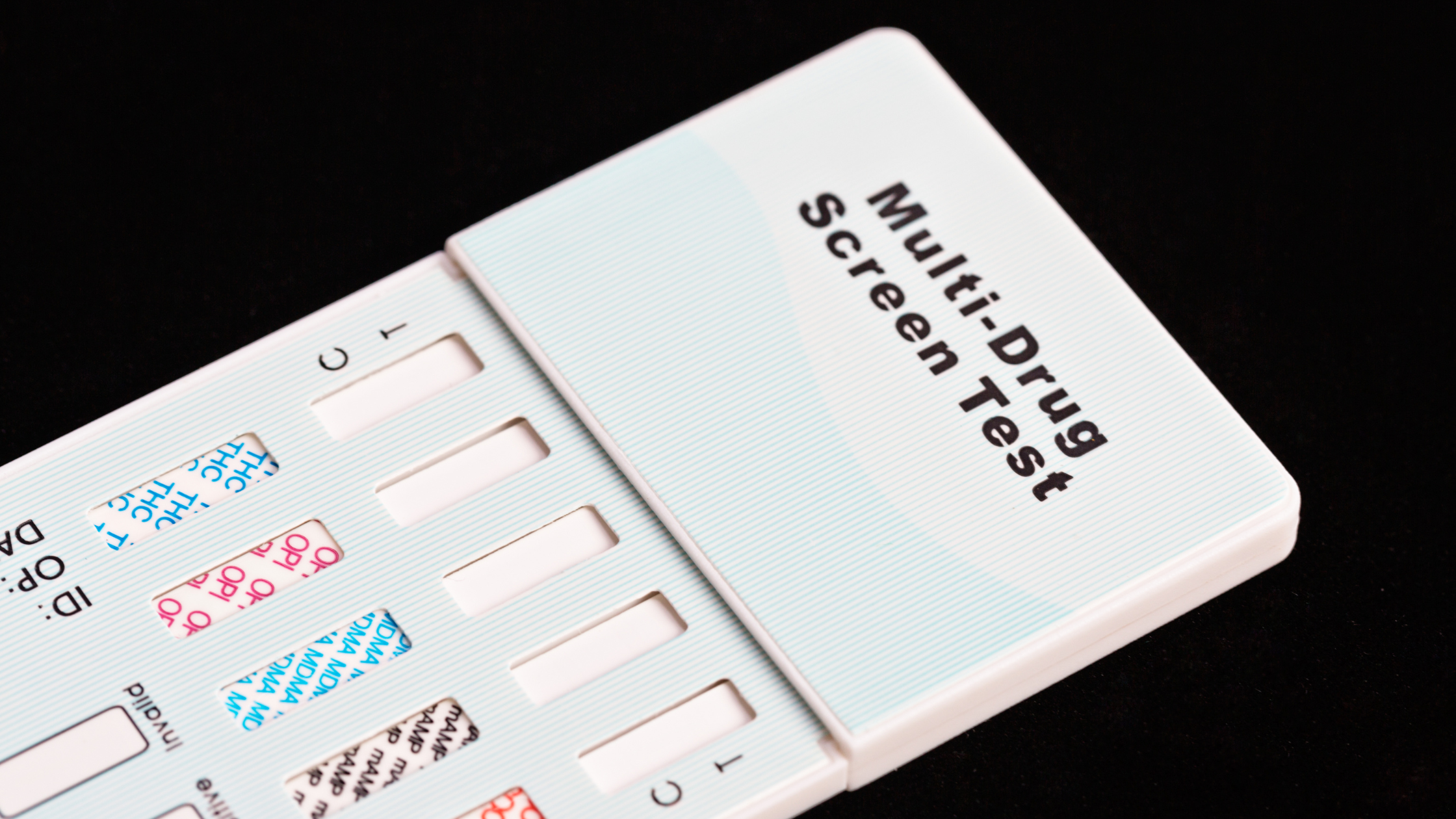
Drug tests are among the first tests issued when a person enters rehab. The purpose isn’t to condemn or shame the person being tested: it’s to help establish a baseline. In this sense, drug tests are a clinical tool, not a punishment of any sort.
Toxicology results help inform treatment plans. Every substance affects the mind and body differently, and requires different approaches to ensure safe detoxification and recovery. In treatment, safeguarding a patient’s health starts with knowing exactly what substances are in their body.
Learn more about drug tests, including how drug tests work, what drugs do drug tests screen for, and more.
What Do Drug Tests Test For?
Drug tests look for the presence of drugs and drug metabolites that are active in the body. The method of use–i.e. ingesting, smoking, snorting, or injecting–does not influence test results.
When a person uses drugs, the body immediately starts working to process these substances. Unlike food and water, the body treats drugs as toxins and attempts to eliminate them. Drugs are primarily metabolized in the liver, and drug metabolites are byproducts created as these chemicals break down.
Drug metabolites remain in the body longer than the drugs themselves. Even if someone is no longer experiencing feelings of intoxication, it’s possible to receive a positive drug test because of drug metabolites.
How Do Drug Tests Work?
Drug screenings are done by testing samples of urine, saliva, blood, and/or hair follicles.
Urine samples are most commonly used for drug tests. Hair follicle tests have the longest detection window.
The detectable window of time after using drugs for for each sample type are as follows:
- oral: up to two days
- blood: up to two days
- urine: up to four days
- hair: up to 90 days
First, a provider collects the sample and then screens it for drugs and drug metabolites against a panel. Panels refer to drug classifications that a drug test screens for. Standard drug tests are designed to screen for five, 10, or 12 different categories of drugs. Expanded panels can test for up to 28 substances.
Results may be negative for all substances, positive for some substances, or positive for all substances. Positive results are sometimes “false positives” and may require additional testing. Certain medications have similar metabolites to certain drugs and can also cause false positives.
Standard drug tests are five- and 10-panel tests. Panels represent the number of drug classifications being tested. Providers may issue drug tests routinely as part of a patient’s treatment plan.
What Do Five-Panel Drug Tests Test For?
A standard five-panel test is designed to screen for the following substances:
- Amphetamines
- Cocaine
- Marijuana
- Opiates
- Phencyclidine (PCP)
What Do 10-Panel Drug Tests Test For?
A standard 10-panel test is designed to screen for the following substances:
- Amphetamines
- Barbiturates
- Benzodiazepines
- Cocaine
- Marijuana
- Methadone
- Methaqualone
- Opiates
- Phencyclidine (PCP)
- Propoxyphene
What Are Specialized Drug Tests?
Because testing panels are limited, results may not indicate every substance someone might have used.
Additional specialized tests may be ordered that check for substances such as:
- Bath salts
- Fentanyl
- Gamma-hydroxybutric acid (GHB)
- K2 Spice
- Ketamine
- Morphine
- Rohynol
Do Prescription Drugs Show Up on a Drug Test?
Before taking a drug test, it’s important for a person to disclose all the medications they’re currently taking. Certain prescription medications, taken as prescribed, can produce false positive test results.
Some prescription medications are also commonly abused, which is why drug tests screen for the following:
- Amphetamine-based medications
- Benzodiazepines
- Methadone
- Prescription opioids
Other medications that aren’t typically abused can produce false positives. These medications include:
- Antibiotics and pain relievers like Levofloxacin, Ibuprofin, and Naproxen
- Antidepressants like Buproprion (Wellbutrin), Trazedone, Sertraline (Zoloft), and Venlafaxine (Effexor)
- Antipsychotics and sleep aids like Quetiapine (Seroquel), Doxylamine, and Diphenhydramine
- Heart and blood pressure medications like Labetalol
- Weight loss medications like Phentermine (Adipex-P)
Again, disclosing precise medication history, current and past use, and dosages with the provider issuing a drug test is critical to correctly interpreting results.
Can Drug Tests Detect Alcohol?
Alcohol is not included in the standard five-panel or 10-panel drug tests.
Testing for alcohol typically requires a specific alcohol test. Similar to a drug test, alcohol testing looks for alcohol (ethanol) and/or its metabolites.
Does Delta-8 Show Up on Drug Tests?
Delta-8 THC can produce a positive result on a drug test for cannabis/THC.
Drug Testing is Part of Addiction Treatment
Drug test results allow providers to develop personalized treatment plans for their patients that ensure safe detox and recovery.
These tests are a critical part of addiction treatment, but additional information is required to develop a comprehensive treatment plan.
If you are seeking substance abuse treatment in the Portland area and you have questions about drug testing, contact Bridge of Hope Outpatient Treatment Center at 503-793-0443. Our team members are available to support you and your recovery.